Posts

SA Site Cover: Shaniwar Wada, Pune by Rakshanda Thakur
Image
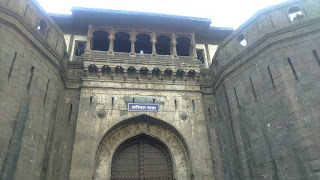
When we hear the name Shaniwar Wada the first thing that comes to our mind is the movie Bajirao Mastani and the majestic structure it portrayed, but sadly, it's not what we imagine it to be except some ruins that stand witness to a glorious past. A fire in 1827 that lasted for 15 days destroyed the fort. Before going to the fort I read a little about it and thus I was prepared to see fort in a hopeless condition, but really it wasn't so.  The entrance to the fort was the Dilli Darwaza,  which was intact and relatively in a very good shape, the huge iron door which was built to stand almost anything did what it was meant to do and survived the fire. As soon as I entered the huge iron gate, the inside of the gate the situation changed and the sorry state of the monument was revealed, with the fresco almost fading and the wall plaster falling off. There was a ticket booth or two, I can't seem to remember considering ...
The Museums of FRI by Aditi Joshi

Image
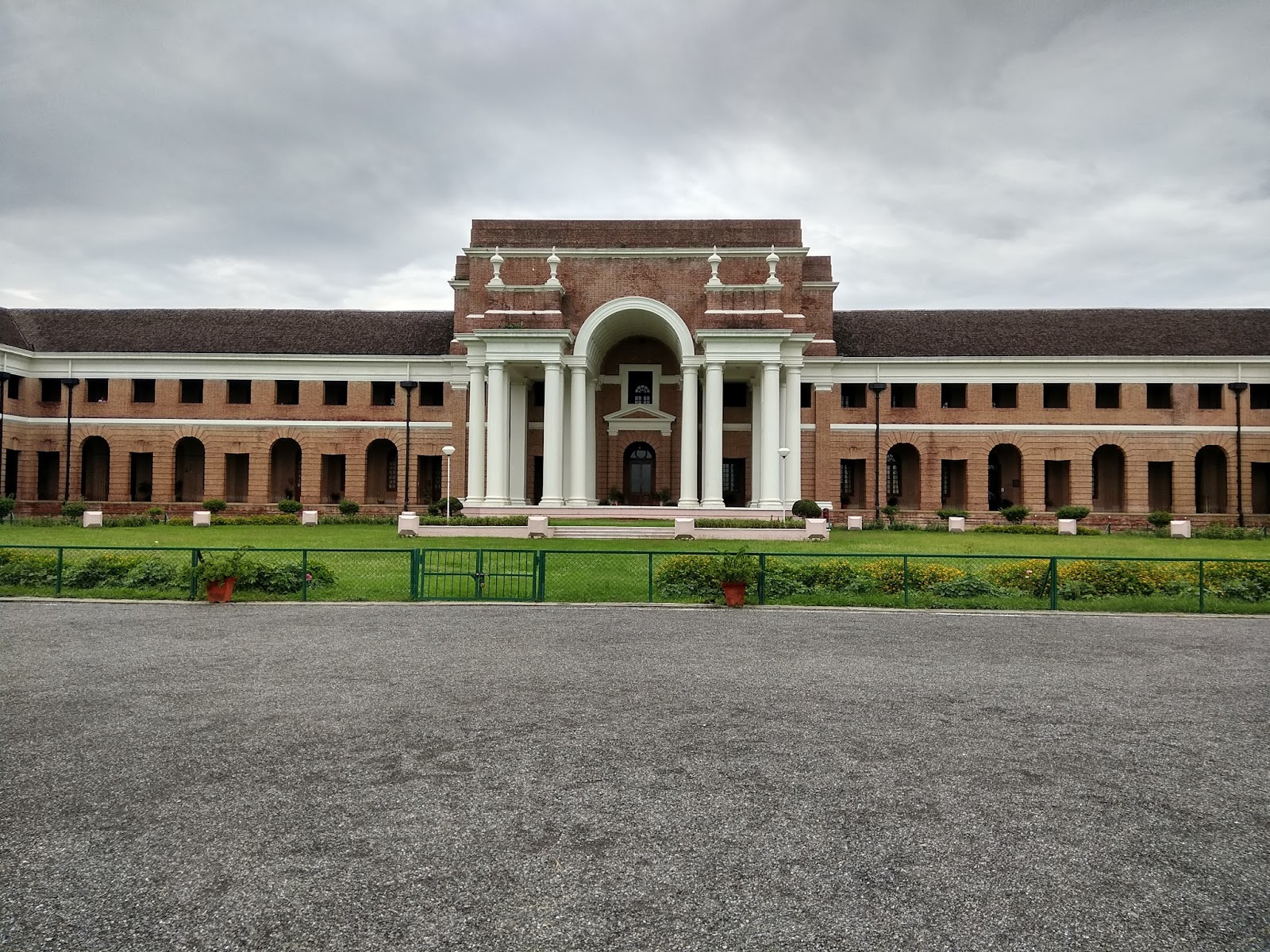
               The Forest Research Institute (FRI) provides for a delightful visit on a sultry afternoon of June. FRI is a premier institute of forestry research in India, located in Dehradun, Uttrakhand. It was founded in 1876 as British Imperial Forest School and later re established in 1908 as the Imperial Forest Research Institute. Styled in the Greeko Roman architecture, the building was inaugurated in 1929 by Viceroy Willingdon and now stands as a National Heriatge Site. The Institute is one of its kind and has six museums within its circumference.  Upon entering the premises, one encounters various housing complexes of the IFS officers as well the students of the university of FRI. The greenscape provided a wave of relief from the summer heat of Dehra. The task of covering the museums soon began. M1 : PATHOLOGY MUSEUM This section dealt with the effects of various rot and fungus on  the trees as well as the diseases ...

SA Art Restoration Workshop: An Experience by Alka Dalal

Image
The chills one feels when someone visits a mesmerizing  place! That's how I felt when I went for an Indo-Saracenic Revival and Art competition that Government Degree College, Kandaghat organised in their premises in collaboration with Speaking  Archaeologically.  Kandaghat is an idyllic little sleepy town,  situated near Solan in Himachal Pradesh, so picturesque that it took my heart away. It its very heart, it holds a beautiful building constructed  by Maharaja Patiala that combines Mughal, Rajputana and Mock-Tudor  styles of architecture-something that is defined as Indo Saracenic Architecture, an outcome of the British Rule in India. Maharaja Patiala built this for his ailing Uncle, Maharaja Dhaulpur of Malerkotla, when the latter was detected with tuberculosis. For the last few years, the building was left neglected and was set to be demolished to construct a College in its place but the Principal of the College, Mrs  Navita Gau...

The Speaking Archaeologically Workshop on Indo-Saracenic Art Revival by Tarannum Caur

Image
Let the rooms be filled with shared beliefs and the walls speak of a cultural blend Let the doors open to rediscover and preserve a forgotten heritage. Indo Saracenic or a blend of Indian and Persian art has left its permanence in the history of India. Be it during the period of the greatest dynasty, that is, the Mughals or after its decline, this style continued to flourish in the schools of Deccan, Rajasthan and Punjab Hills even under the British Raj. With the popularity of Miniature paintings and the European influence during the end of Akbar's reign, the detailing, realistic appearance, use of soft or bright colours and embellishments made this form of Art and Architecture stand out. With an aim of reviving the Indo Saracenic art form and letting it highlight one's own culture and heritage, the last Workshop of Speaking Archaeologically proved to be an opportunity for the young artists to showcase their talent. The Government Degree College at Kandaghat, distr...

SA Site Cover: History Enveloped in Danger

Image
The mosque inside the Chingus Fort, Rajouri If you're an intrepid traveller like us Speaking Archaeologically lot and ever visit the Indo-Pakistan Border, you will be sure to notice a plenty of things to surprise you as they surprised me. The area of Poonch, in Rajouri District of Jammu, is perhaps the last point that is politically under India. Although under military control, now, this area once thrived with trading activity and fell on the Old Silk Route. Even today, when the roads have fallen into disrepair, you still see the Afghani Workers along the roads, best known for road maintenance. "They are the fastest in their job," our driver tells me as I point towards one. "You will be surprised how many countries hire them." However, I soon lose interest in the workers as an imposing Mughal structure catches my eye. Lesser known but a Mughal Fortress from the times of the Great Mughals, Chingus was built during the reign of Jehangir.  Back in the Mug...

SA Travel Diaries (Church Series) : St Nicholas' Church at Chawton, Alton, Hampshire

Image
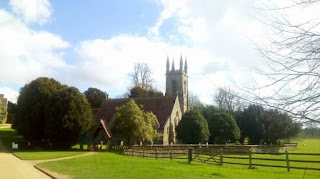
St Nicholas' Church, a little country church with a lot of history. It's wonderful how, even after all these days, I can still feel the beauty and peace that enveloped me when I first went to St Nicholas' at Alton. From an archaeologist like me, who aims to highlight the lesser known sites most of which are places of worship, this sort of romantic expression is both new and unusual but, it is what it is! "In vain have I struggled.  It will not do so." Yes, I'm quoting Pride and Prejudice on Speaking Archaeologically and no, I haven't lost my mind! I'm being deliberate...a little too deliberate, because this Church and the Chawton House and the little cottage, are all inextricably linked to Jane Austen,  who revised all her famous major works, ( Pride and Prejudice included) in Chawton! My excitement to see this place, was therefore, twice than it would have been in the normal circumstances. The chancel of the church, the only original part...

SA Workshop on African Woodwork by Gursahiba Gill

Image
On the sultry, hot afternoon of 11th September a group of eager archaeologists in the making (not really but this hope might help us  sleep better at night) gathered at this not so historical but extremely aesthetic cafe called S-Cafe. *Inserts side note, it has a great bar, 10/10. Would recommend even to a teetotaller.* It started off as most SA workshops do, with Shriya reaching on time and waiting for her volunteers to show up. After the formalities were addressed we were asked to take out our surgical gloves because no where in the rule book does it say that only surgeons get to have fun.The thought of Woodwork all the way from Africa had my heart and rear end thumping to the beats of Ngoma. Each of us were given a precious hand out which contained information to build the basis of not only the workshop but also provided a bird's eye view into the life of Bembé tribe (and tribals). The workshop aimed to teach us object analysis and this led to...